
Is a natural stone floor right for your home?
Considering laying a stone floor but unsure if you can afford it?
From limestone to slate, natural stone is a durable and characterful flooring choice, ideally suited to high traffic areas, such as hallways, kitchens and living spaces. Solid stone has a reputation for feeling cold underfoot and being costly, so many homeowners choose carpet instead. In fact, stone works well with underfloor heating and is available across a wide range of price points. Extending the same stone into outdoor areas creates a seamless surface that enhances the sense of space and blurs the boundary between indoors and out.
Here, stone expert Carl Ulander, of Stamford Stone, shares his expertise.
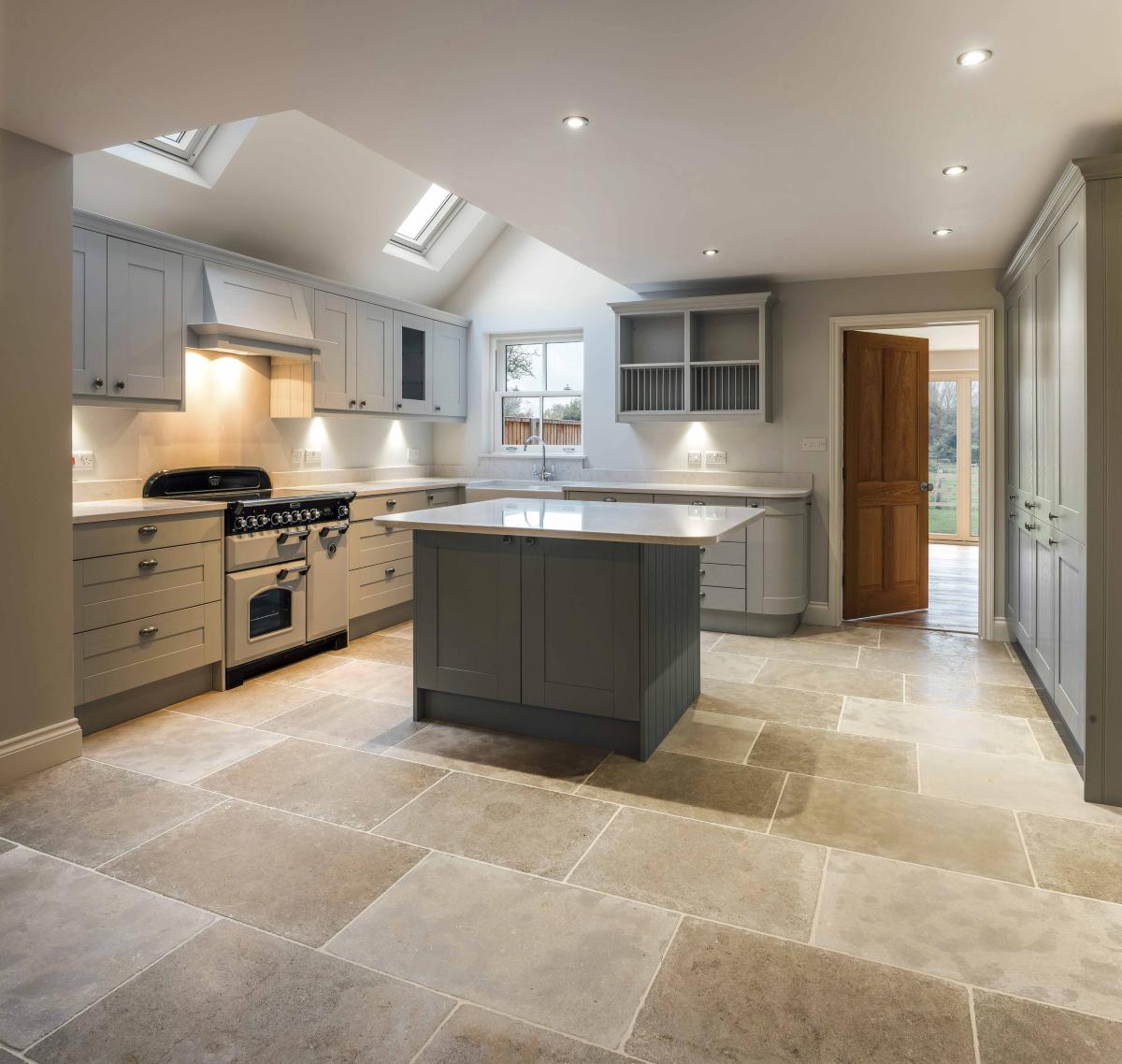
Image supplied by Stamford Stone. Rocco Buff Limestone
Why choose natural stone?
“Natural stone is one of the oldest building materials known to humankind and its enduring appeal lies in its timelessness, elegance and authenticity,” says Ulander. Because stone is a natural material, no two tiles are ever the same, creating a one-of-a-kind look. “Beyond its visual appeal, natural stone is exceptionally strong and long-lasting. It is a plentiful, time-tested material that performs reliably in both interior and exterior applications,” adds Ulander.
Unlike man-made flooring, natural stone improves with age, developing character. Ulander explains: “Over time, it weathers gracefully and even after decades or centuries of use, many stone surfaces can be restored or refinished, extending their lifespan and reducing the need for replacement.
He adds: “Perhaps most importantly, natural stone fosters a tangible connection to the natural world. Its organic origins and tactile qualities bring a sense of authenticity, permanence and calm to the built environment.”
What are your options?
Choosing the right type of stone is essential, as each performs differently.
Limestone: A sedimentary rock formed from organic material, such as shell and fossil fragments, limestone is available in soft whites, buffs and grey-blue tones. Suitable for all areas of the home, it is an elegant and versatile choice but requires regular sealing to maintain its appearance and durability.
Travertine: A type of limestone formed near hot springs, travertine has a slightly pitted surface that is often filled with resin for a smoother finish. Available in warm tones of beige, cream and brown, it may require on-going maintenance in busy areas to re-fill the natural voids.
Slate: This fine-grained metamorphic rock forms under immense pressure. Typically dark grey or black, slate can be finished smooth or left with a natural textured (riven) finish. It is one of the most hard-wearing natural stones available, making it ideal for hallways and kitchens.
Granite: An igneous stone, formed from cooled molten material, granite is exceptionally hard-wearing and resistant to scratches and stains. It comes in a wide colour range – from pale greys and pinks to red, green and black – with some varieties featuring a glimmer from mica.
Marble: A luxurious option associated with palace floors and high-end interiors, marble is formed when limestone is subjected to extreme heat and pressure, creating its rich veining and sheen. While highly prized for its beauty, it is softer than some other stones and more prone to scratching. Marble is best suited to light traffic areas, such as bathrooms, but can be slippery when wet.
Sandstone: Composed mainly of quartz and feldspar grains, sandstone offers a rustic, earthy look. Available in a wide range of colours.
Finishes and current trends
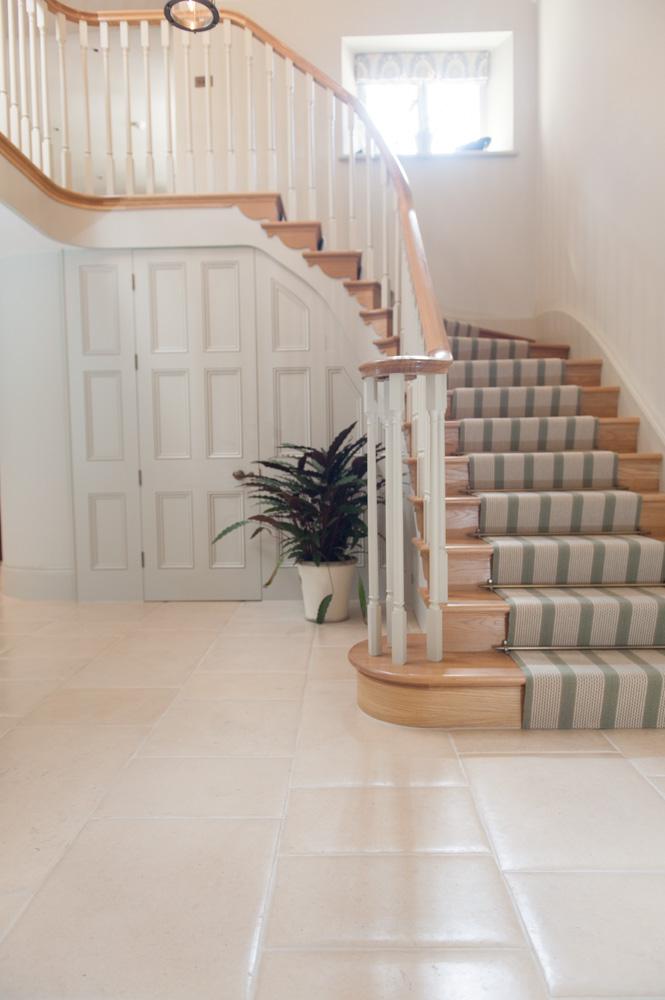
Image supplied by Stamford Stone, Walcott Aged Limestone characterised by honey and cream tones with subtle fossil markings
Natural stone is available in a variety of finishes, including riven, honed, polished and antique. Riven, an uneven, textured surface is created by splitting the stone along its natural layers (most common with slate), providing good slip-resistance.
Honed surfaces have been ground to a smooth, matt sheen, resulting in a sleeker, contemporary effect. This finish is popular in open-plan areas and in bathrooms.
Polished finishes deliver high-gloss surfaces that enhances colour and pattern. This gives a more dramatic look but is more likely to show scratches over time. Stones with an antique finish have been brushed and tumbled to create a worn, aged look.
More tactile floor surfaces are currently on-trend. “Honed, brushed and more tactile finishes are favoured over highly polished surfaces, creating spaces that feel grounded and authentic,” says Ulander.
When using stone outdoors, it’s essential that the finish is specified for exterior use. Typically, a textured, slip-resistant surface designed to withstand weathering and seasonal change.
What should you consider before installing a stone floor?
Natural stone is dense and heavy. For example, a 20mm thick slab of granite can weigh around 63.5kg per square metre. It’s important to consult a professional, such as a structural engineer, to ensure your subfloor can support the additional load without sagging or cracking.
Ideally, stone tiles should be laid on a solid, concrete base. However, stone can be installed over a suspended timber floor if properly reinforced. Any movement in the sub-floor can lead to cracking over time.
Natural stone tiles thicker than 20mm can also raise floor levels. This might mean adjusting doors and thresholds between rooms. Stone tiles are available in a range of thicknesses and can be cut to size.
Sustainability and sourcing
If sustainability is high on your agenda, choose suppliers with transparent supply lines and local quarrying. For instance, Stamford Stone, based in the Lincolnshire limestone belt, owns and operates two quarries. The family-owned business also imports carefully selected world stone to add extra variety, including marbles. The firm works with the Ethical Stone Register to help ensure a positive social and ecological impact on the communities involved in the quarrying process.
Pre-cut stone tiles are widely available in a variety of colours, shapes and sizes. For more bespoke projects, skilled stonemasons can cut custom sizes, patterns and finishes to suit your individual project. Some stonemasons offer a full service from initial design through to manufacture and installation.
Warmth, maintenance and practicality
Stone can feel cold underfoot but pairs exceptionally well with underfloor heating. “Natural stone’s density allows it to conduct and retain heat effectively, making it particularly well suited to underfloor heating systems,” explains Ulander. Once warmed, the stone tiles gradually release heat, helping maintain a comfortable indoor temperature.
With proper care, natural stone flooring can last for generations. Regular sweeping and mopping with water or a mild detergent is usually enough. Harsh chemicals, bleaches and acidic cleaners should be avoided.
Stone flooring is also a hygienic choice as its hard surface is easy to clean and doesn’t trap dust. However, more porous stones, including marble, limestone and sandstone, may require regular sealing to prevent staining.
What does stone flooring cost?
Prices vary depending on the type and quality of stone tile and complexity of installation. Materials alone typically cost between £35 to over £170-plus per m2, while installation costs range from £100 to over £300 per m2.
Slate, some travertine and thinner limestone tiles tend to be more affordable while high-quality limestone and marble sit at the premium end. Lincolnshire limestone, for example, has been used in landmark buildings, such as Windsor Castle, the Palace of Westminster and Oxford colleges.
Professional installation is generally recommended due to the weight of the material and the precision required when cutting stone. That said, some suppliers provide guidance for experienced DIY installation.
Natural stone flooring offers durability, longevity and enduring visual appeal. It need not be prohibitively pricey or impractical. Available in a wide range of different types, colours and textures, it’s a versatile choice that can complement both traditional and contemporary homes.