
Guide to cottage renovations
Charming chocolate box cottage or money pit?
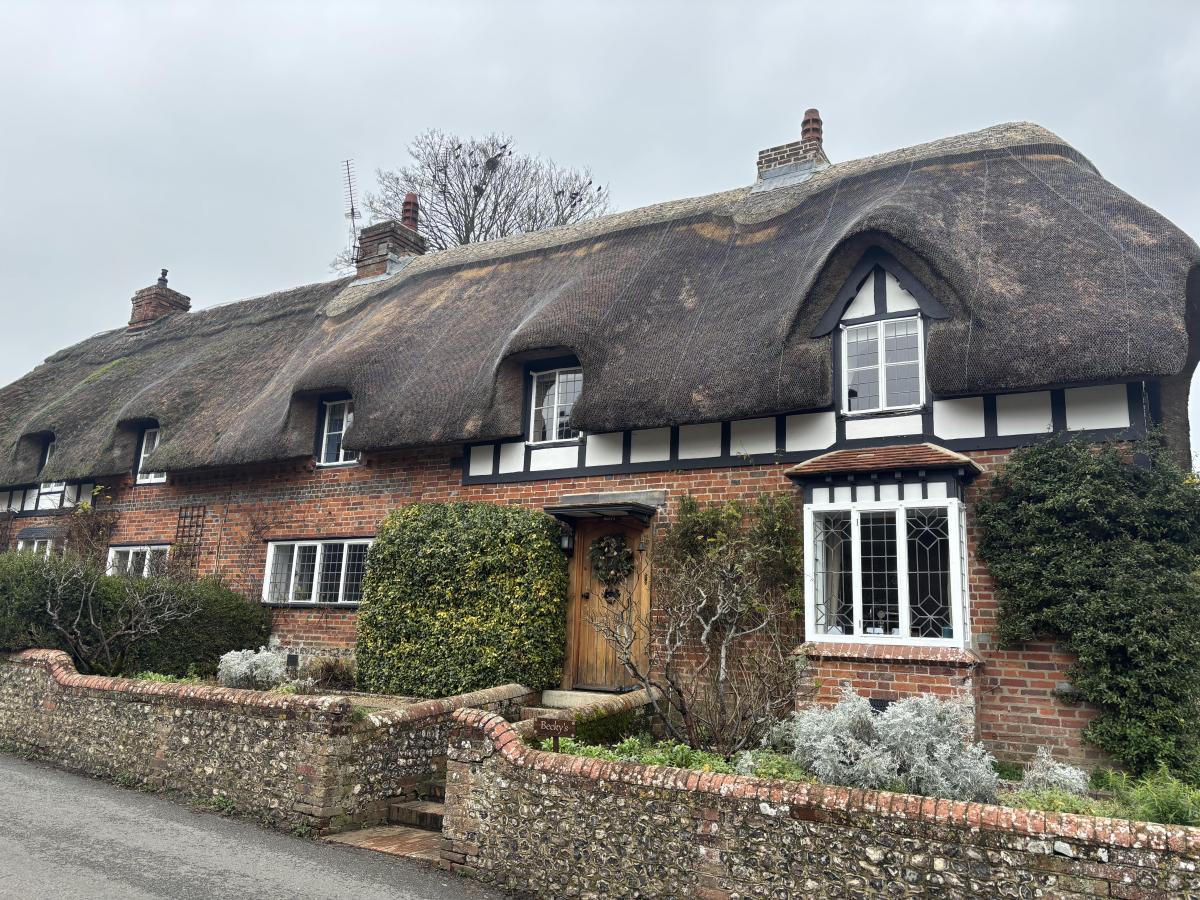
Restoring a country cottage can feel like the ultimate dream project, a chance to create a home rich in charm and character. But behind those chocolate-box looks often lies a far less romantic reality. From dark and cramped interiors to leaky roofs, many old cottages come with a long list of challenges. In this article, we explore some common issues and how to add modern comfort without losing what makes a cottage so appealing.
Start with a structural survey
Forget shopping for luxury wallpaper or a shiny new Aga – start with the boring but essential stuff. A RICS Home Survey Level 3 (formerly known as a full structural survey) should be the very first step before buying a quaint country cottage. Scot Masker, founder of Masker Architects, has extensive experience in cottage renovations. He says: “Anyone going into a project like this needs to have their eyes open. A true chocolate box cottage will have its own special character and quirks. Owners should be ready to celebrate those, rather than trying to turn the building into something it’s not. Very often, adding a modern, open-plan space is a challenge because some cottages can’t take that level of intervention, either physically or aesthetically.”
Unlike modern homes, old cottages were built using locally sourced, natural materials, such as stone, timber, lime mortar and wheat straw for thatch. They are constructed with traditional techniques, including timber framing, wattle and daub, cob walls and thatched roofs. Every wooden beam, flagstone and roof truss may be centuries old.
That’s why it’s essential to get a detailed assessment of its construction and condition. Otherwise, your cottage renovation could become a money pit – less of a dream project and more of a nightmare. A detailed survey can reveal problems that aren’t obvious at first glance and could cost tens of thousands of pounds to fix. These include rotten or beetle-damaged timbers, failing roof structures, subsidence, chimney instability and alterations that have weakened the building.
Surveyhut, a firm of surveyors, explains: “A surveyor can identify signs of damp or timber decay that might be lurking beneath the charming exterior. They’ll examine the cottage’s age-related quirks, such as uneven floors or sloping walls, to determine if they are harmless characteristics or indicators of more serious problems.”
“The survey can also cover essential systems like plumbing, electrics and heating systems. This information allows you to budget for necessary repairs or upgrades, preventing unexpected costs down the line.”
Listed building status and conservation areas
Many older country cottages are listed, especially if they are thatched. This means they have been officially recognised by the government as of special architectural or historic interest. With that status comes legal protection. Owners must obtain listed building consent from the local planning authority before extending or changing the property. Crucially, this includes internal alterations.
Unauthorised work is a criminal offence. Councils can require changes to be reversed – even if they were carried out by a previous owner. Always check with your local planning authority before any alterations are carried out as even minor changes to original features like fireplaces or panelling can require consent.
A listed cottage is likely to cost more to maintain. Repairs often require traditional materials, such as lime mortar instead of cement and thatch rather than tiles, as well as specialist craftsmen. There are also limits on how much a listed cottage can be modernised or extended.
Because listed building renovations are complex, an experienced architect can be invaluable. They understand planning rules, know how to get the necessary permissions and can liaise with local authority conservation officers and specialist consultants. Their expert knowledge helps resolve issues early and smooth the planning process.
Masker says: “Owners need a professional consultant who can help them realise their goals within the constraints of the existing building. A good architect can provide key ideas to unlock a project, but it’s vital to choose carefully. They need to respect the building and be willing to work with it, rather than reimagining it in a way that spoils its character. Look for someone who understands the property, can work to a budget and is happy to go on that journey with you.”
If your cottage lies within a conservation area, it will face extra scrutiny even if the building itself isn’t listed. You often need planning permission for works that would normally be considered permitted development, such as new windows or exterior walls. Local authorities usually expect traditional materials that fit the historic character of the area, so uPVC windows or modern cladding may be refused, for example.
Extending a country cottage sensitively
Country cottages are often rich in character – think thatched roofs, leaded windows and crooked chimneys. But they can also be impractical for modern living. Low ceilings, a lack of natural light and an inconvenient layout are common problems. A well-designed extension can solve some of these issues but a poorly planned one risks eroding the very charm that makes the cottage appealing.
Rural cottages are typically modest in scale. Oversized extensions that dominate or dwarf the original building rarely succeed. Masker warns: “A large extension can spoil the existing building and not be considered appropriately subservient by the local planning authority, leading to planning refusal.” There’s also the risk of over-capitalisation – spending more on the project than it’s worth when finished.
So how big can you go? “It depends on the local planning authority,” says Masker. “Some rural district councils and national park authorities have rules that limit extensions to no more than 35 per cent larger than the original building.”
If a cottage has an ornate frontage, it’s rarely the right place to extend. Side and rear elevations may be plainer and offer more scope, but it varies. “You need to identify which part of the building has the most picturesque value and avoid that. The cottage might not be listed. The aim is to extend without spoiling the unique character of the original building,” says Masker.
A new extension doesn’t have to mirror the existing cottage. In fact, planning authorities often welcome contemporary additions. Largely glazed extensions, for example, can work well. Their transparency preserves views of the historic structure while clearly separating old from new. Alternatively, using traditional materials, such as flint and brick in Hampshire, can help an extension blend seamlessly with the original exterior while creating a bright, modern living space inside.
Masker says: “The style of the extension (traditional or contemporary) should reflect the client’s tastes. The important issue is to choose the right professional for the job. These projects work best when the architect is willing to work collaboratively and intelligently with their client. Avoid hiring a studio with a known signature style unless that style is truly what you want.”
Embrace smaller spaces
Renovating a cottage doesn’t mean erasing its past. While open plan living is fashionable, cottages excel at cosy nooks and corners. Embrace the low-ceilinged rooms, original oak beams and wonky stairs. Remember the enclosed nature of many cottages is part of their character. Rather than diluting that, it can work well to retain those intimate spaces and create more openness and light in a carefully designed extension.
Not every cottage renovation involves adding more living space. Some of the most successful refurbishments come from simply restoring what’s already there. Removing unsympathetic alterations or exposing original beams or flagstone floors, can dramatically enhance the property.
“The best cottage renovations come from really understanding the building and its history,” says Masker. “When you appreciate what gives the building its special character and respect those elements, you can improve comfort and functionality in a way that feels sensitive and lasting.”