
How to create a cosy snug room
Interior design experts share their top tips on how to create the perfect sanctuary
Cosiness is at the heart of every snug room. Think comfort, warmth and creating a cocoon-like vibe. While open-plan living works well for sociable family life, it can be noisy and lacking in privacy. Many homeowners are now seeking a better balance, adding separate spaces designed for retreat. A snug is more a place to escape to rather than entertain in.
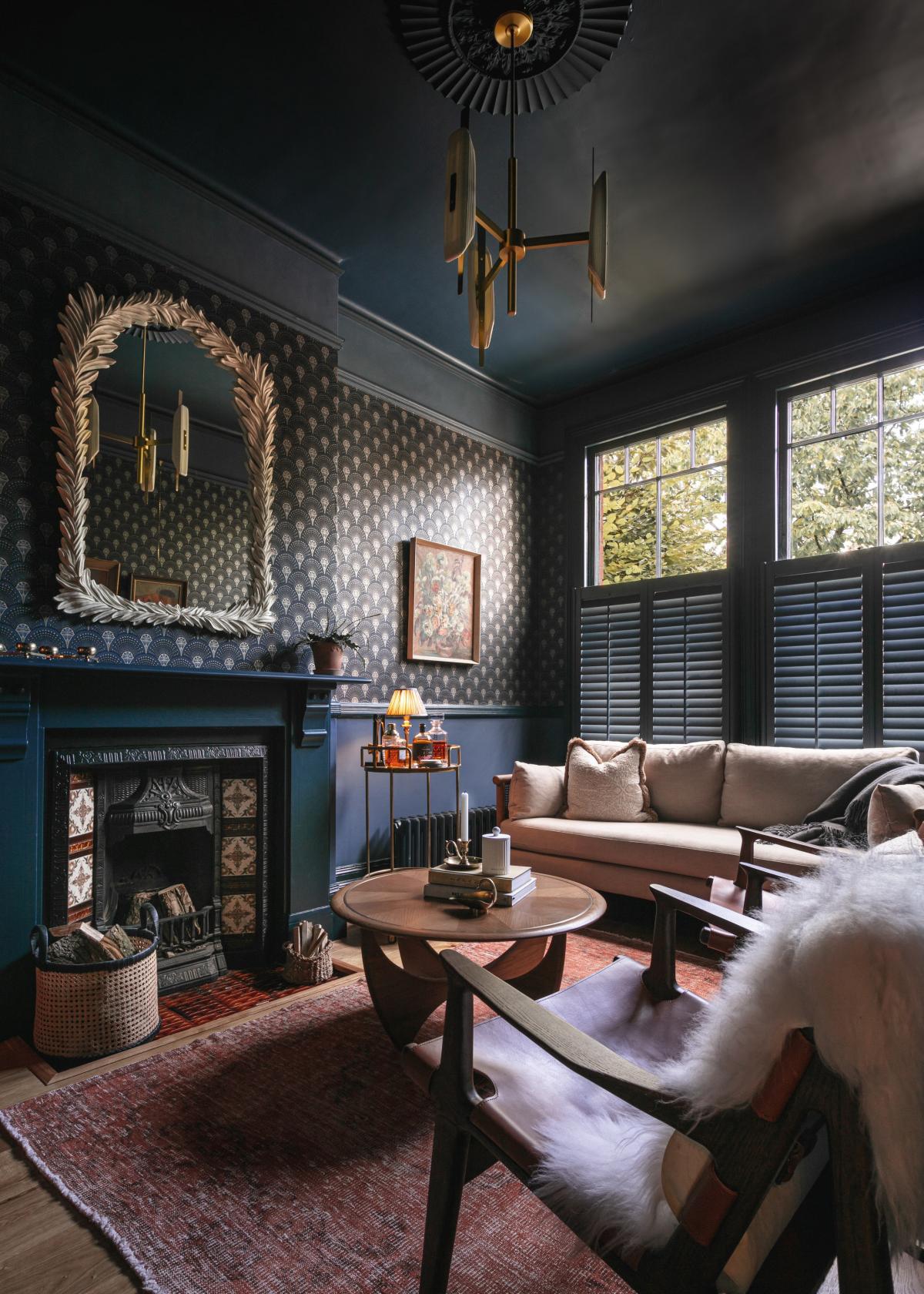
Image credit: Chaunceys Timber Flooring , Gloss Oil Bristol Tectonic Oak Planks from the Natural Oils Collection, designer Anouska Tamony Designs, photo credit Nick George
Planning a snug
Whether you’re building a bespoke new home or extending, think about your snug from the early planning stage. Ideally, it should be a separate room. It needs to feel cosy but not cramped. A space about the size of a reasonably sized double bedroom works well, say experts. A 14m2 room would comfortably fit a small two-seater sofa and an armchair facing a TV or fireplace, for instance.
The exact size and layout will depend on space available, how many people you want to seat and how you want to use the room. Popular uses include a TV den, a reading nook, or simply a snuggly seating area for catching 40 winks with the dog. Some snugs double as a home office during the day or guest bedroom at night. But the key to a successful snug is to prioritise comfort and functionality from the start.
Where to put a snug?
A snug should be easily accessible. Think about the room, its uses and how it will integrate into your daily life. Secluded doesn’t have to mean shut off. If it’s too far from the main living areas, for instance in a garden room, it may be seldom used. A snug that leads off the kitchen or living space works well, especially for keeping an eye on children.
Basement snugs are another option. Lack of daylight, which can be a drawback for other rooms, can enhance the sense of retreat. As you develop your plans, remember its intended use. While a TV room might suit a darker basement, a playroom or reading nook is better positioned in a light-filled space with a view of the garden, perhaps with a built-in window seat.
Even in open plan living areas, you can still achieve a snug corner by dividing it off from the rest of the room. Adding half walls or a change in floor levels can successfully create the feeling of separate zones. A lowered area will feel cosier and more intimate.
If you’re repurposing an existing room, a spare bedroom on the first floor or a loft room can provide a place to escape in a quieter area of the house.
Figure out your furniture
The best snugs are comfortable without feeling cluttered. It’s essential to choose the right-sized pieces of furniture. Kate Palmer, creative director of the Painted Furniture Company, advises: “Big, deep sofas are lovely if you’ve got the space, but they’re not the only option. A pair of armchairs or a small loveseat can make the room feel just as inviting and sometimes works best for a relaxed, lived in feel,” She adds: “Furniture with softer lines and a lower profile often works well to create that cosy, balanced look.”
If the snug is multi-functional, choose pieces like a sofa bed and storage to hide toys or a home office. This helps to keep the room versatile while ensuring it still feels comfortable and relaxing.
Choose your décor wisely
A snug is an opportunity to be bold with colour and texture. Perhaps something darker and more dramatic than you might usually consider, such as a moody blue or deep purple paint on a feature wall. If the walls are richly coloured, then lighter accent colours for the furniture and flooring will stop the space feeling too oppressive. But if you want to be bold with both décor and furniture, layering different tones of the same colour gives dimension and depth.
So, what’s on-trend for styling snugs? Palmer says: “There’s a real move towards earthy colours and natural textures with people favouring warm neutrals and wood finishes. We’re also seeing people mix painted furniture with vintage pieces to give the space more personality.”
Snug lighting ideas
Lighting has a huge impact on the success of a snug. James Kendall, operations director of KES Lighting and Home, explains: “It’s what makes the space feel warm and inviting rather than stark.” He stresses the importance of flexibility and dimmable switches. “You want enough light for reading or other tasks but the option to turn it down for that cosy feel,” says Kendall.
Layered lighting from multiple light sources is popular but a single, well-chosen lamp can do the job if the room is small, says Kendall. “It’s more about the quality of light than the quantity of fixtures. Warm, white bulbs (around 2,700K) are perfect for a snug because they give a golden glow rather than a harsh, bright light. Avoid anything too cool toned as it feels clinical.”
Wall lights and sconces can save space and add character but plan your layout in advance to get wiring fixed in the right place. Floor or table lamps for reading corners are essential along with good natural light.
Interior textiles: game changers
Textiles transform a room into a comfortable hideaway. Debbie Leigh, design manager of ILIV, comments: “Thick textured fabrics like wool, boucle and velvet instantly make a space feel cosy. Even layering lighter materials like cotton and linen can add depth and softness when used together. Asked which accessories make the biggest impact, she is clear: “Throws and cushions are the real game changers – try mixing different textures and sizes for a layered, inviting look.”
Full length curtains in a soft fabric can be a great option for a snug, making the room feel warmer and cosier.
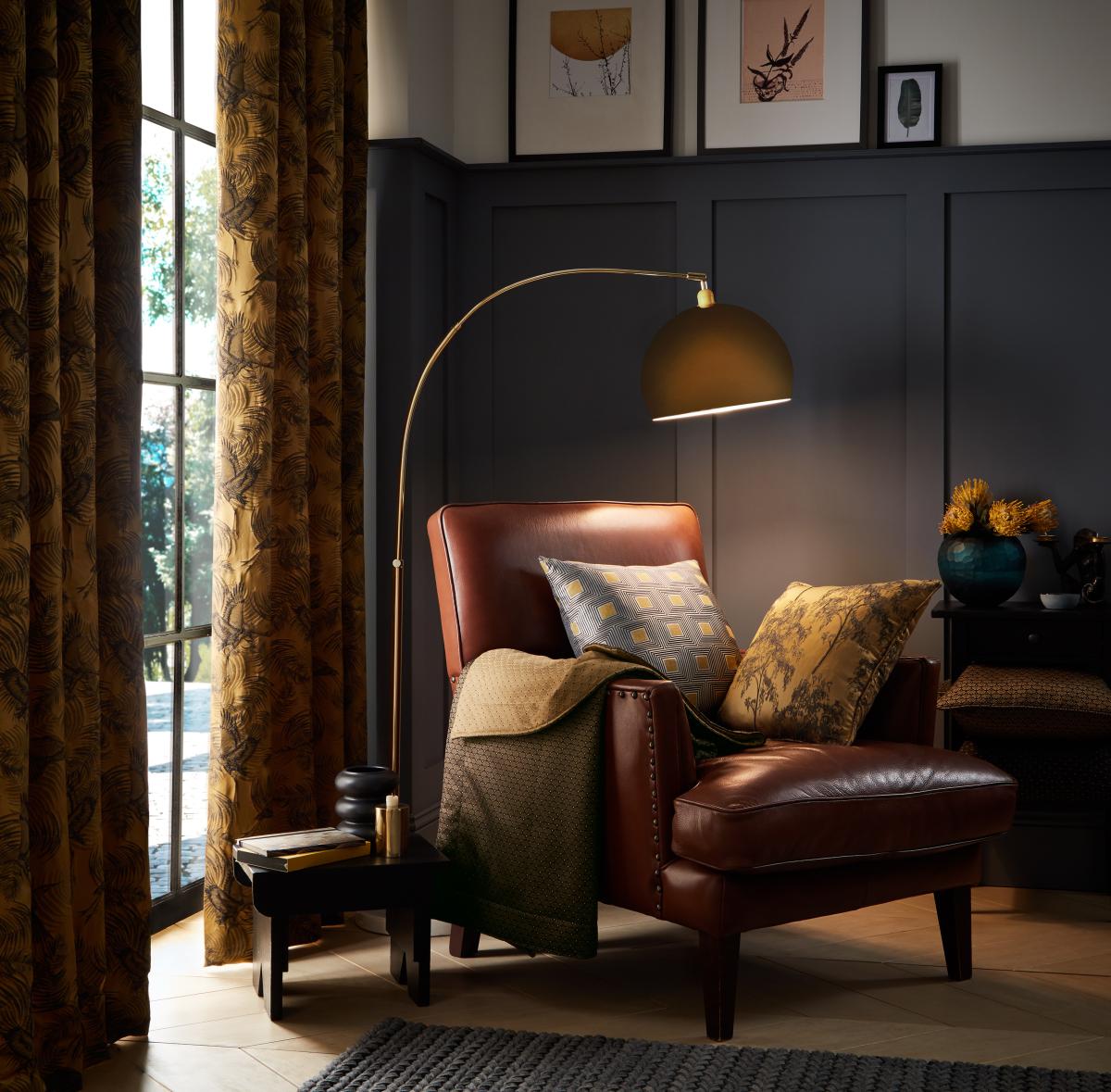
Image credit; ILIV Orientalis fabric collection
Installing a fireplace & heating
Nothing feels more inviting than a lit fireplace, whether it’s a traditional log burner or a contemporary electric design. Nick Duggan, director of the Radiator Centre, advises: “A well-chosen radiator can make a big difference, so take time to choose something efficient and stylish. It’s also important to make sure the heat output is right for the size of the room. In smaller snugs, with limited wall space, a sleek vertical radiator can be a great solution as it saves space while providing plenty of warmth.”
And finally, floors
Wooden floors are a classic option for snug-style rooms. Wood always adds warmth, especially when paired with rugs. Ian Tomlinson, MD of Chaunceys Timber Flooring, says: “One of the most exciting flooring trends we’re seeing in 2025 is the return of rich, darker timber tones, which is ideal for snugs. This marks a significant shift away from the pale Scandi look that has dominated interiors in recent years.”
He adds there is a “growing appetite for depth and drama” and describes dark floors as ideal for creating a moodier, luxury feel, highlighting Chauncey’s Expresso finish as an example. Timber panelling also works beautifully on snug walls. “The natural grain and colour variations of timber bring a sense of organic beauty, making the space feel calm and cosy.”