
Interior design trends for 2026
Expect more character, colour and lived-in playfulness
Few of us can afford to redecorate our homes every time a new interiors trend rolls around. But being aware of what’s coming next still has its uses. If you’re extending, renovating or simply bored with looking at the same four walls, emerging design trends can offer much-needed inspiration. Interior trends tend to mirror the wider zeitgeist: the spirit of our time from what we’re wearing to where we’re dreaming of travelling.
Colour of the year: quietly sophisticated vs playful
Pantone has spoken. And this year, its colour of the year promises a “fresh start” for 2026. Following 2025’s comforting “Mocha Mousse” and 2024’s “peach fuzz” optimism, Pantone’s 2026 pick is … white. Or, more precisely, “cloud dancer”, a billowy, soft white to create space for focus and creativity. Laurie Pressman, vice-president of Pantone Colour Institute, describes it as “a key structural colour – allowing all colours to shine.” Airy and uplifting, Cloud Dancer offers an easy foundation for both minimal palettes and richer interiors.
Not everyone is feeling the restrained vibe, however. Some critics accused Pantone of being decidedly Pantone deaf.
In stark contrast, IKEA has named “Rebel Pink” its colour of the year for 2026 – a bright, bold shade. “It’s playful, emotive and can spark joy in the most unexpected places,” says Abby Stark, IKEA’s home furnishing director. “We see it as a bold neutral that energises everyday spaces while staying true to our Scandinavian simplicity. It replaces white walls with a refreshing energy that feels empowering and modern.”
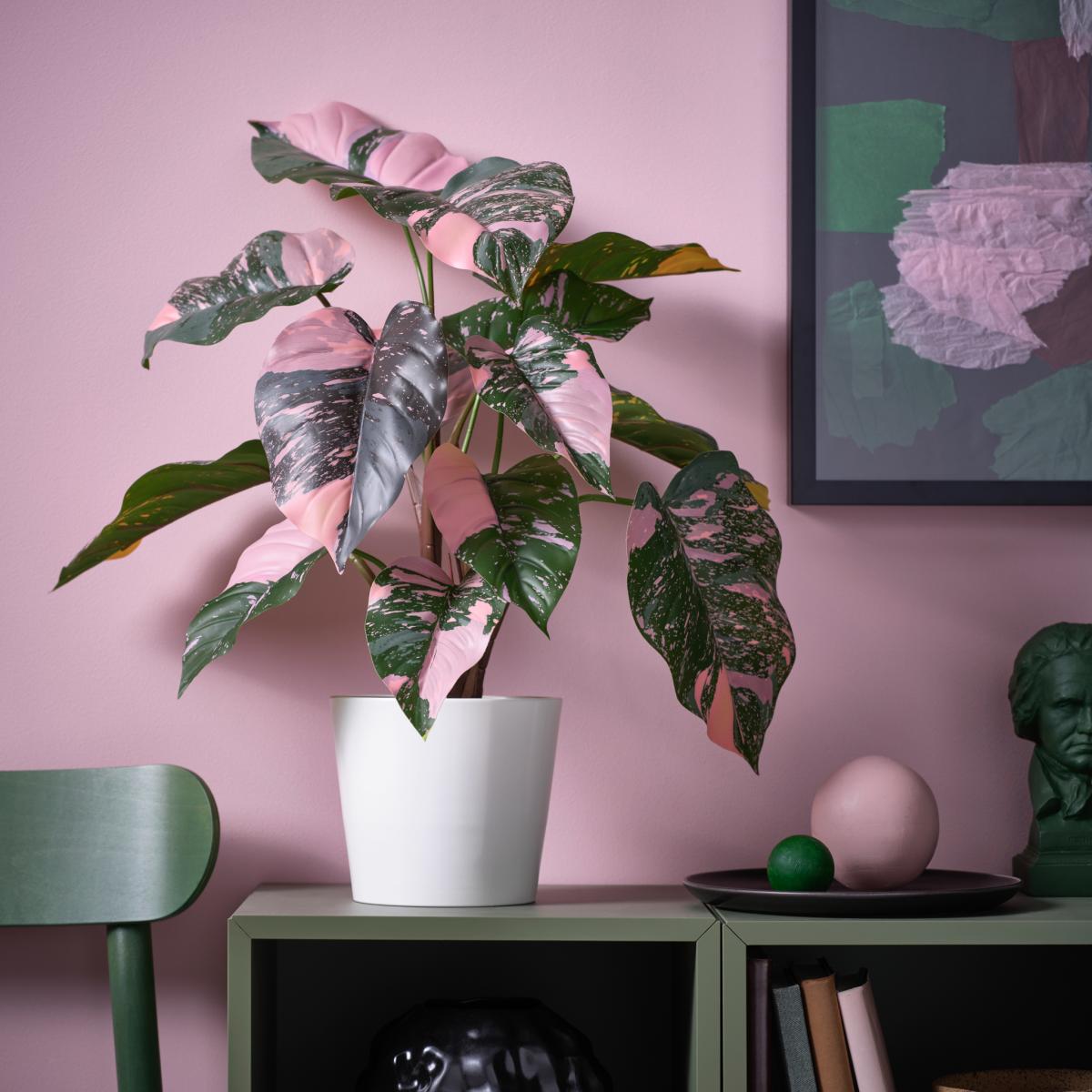
Rebel Pink, Ikea's colour of 2026
This doesn’t mean floor to ceiling Barbiecore décor. Used sparingly, on a statement chair, an accent wall or a few accessories, Rebel Pink can inject humour without overwhelming a space. If a pink pouffe in the principal bedroom feels a step too far, IKEA’s Gerasimos children’s collection, (launching in February 2026) features playful shapes and bold colours, including Rebel Pink.
Elsewhere, trend watchers, including John Lewis, are predicting a palette of rich, nature-inspired colours, including deep terracotta, olive greens, earthy browns and cool blues.
Bold stripes, rich patterns and space travel
If search data is anything to go by, minimalism’s long reign is finally loosening its grip. According to Pinterest’s 2026 trend report, interior tastes are tipping toward the theatrical, the exotic and even the intergalactic. The platform predicts the rise of styles it dubs Funhaus, Afrohemian, Extra Celestial and Neo Deco – all united by a confident use of colour, pattern and texture.
So, what does Funhaus mean? Pinterest describes it as “big top, bigger personality in 2026.” Expect maximalist circus-inspired décor, bold stripes, sculptural silhouettes and “just a wink of clownish charm.” Balance is key. Pair punch-line patterns with pared back palettes. Preppy stripes are making a comeback across wallpaper, bedlinen and carpets. Moving on from the coastal white anchored-look of 2025, stripes feel more confident and playful.

Chauncey's Timber Flooring Gloss Oil Bristol Tectonic Oak
If stripes aren’t to your taste, Afrohemian décor blends African and bohemian styles. Searches for “African boho living room” and “Afro chic home décor” are on the rise, featuring colourful Nigerian textiles, Ethiopian wall art, handwoven baskets and natural fibre rugs.
Then there’s quirky aliencore. Pinterest calls it Extra Celestial – a trend driven mainly by Gen Z and Millennials. Think holographic accents, opalescent finishes, cosmic silhouettes and a dash of sci-fi glamour. “The aliens have landed – and they have fabulous taste,” the report jokes.
Meanwhile, Art Deco is back. Rebranded as Neo Deco – shiny, sleek and tuned to 2026. The report states: “After years of heavy minimalism, this retro aesthetic is back with crisp chevrons, fan arches and other geometric hits all edged in chrome or brass. Bold, glam and just a touch eccentric.”
Kitchens: warmer, looser and less show home
According to kitchen maker John Lewis of Hungerford, “2026 is the year of warmth, functionality and personalisation.” The ultra-sleek, handleless (slightly spaceship-like) kitchen is making way for something softer and more lived-in.
Natural wood leads the charge – from pale oak to deeper walnut tones. Colour-wise the cool blues and greys that dominated the last decade are being replaced with warmer neutrals and earthy tones. As John Lewis notes: “Cool whites and greys are giving way to warmer, nature-inspired hues. Shades such as taupe, mushroom, stone and clay are becoming staples of modern kitchen design while deeper earthy tones like olive green, sand, charcoal and burnt ochre add depth and sophistication.” Butter yellows are also emerging as a popular accent colour.
Fully fitted kitchens are loosening up with freestanding furniture, open shelving and dressers that feel collected rather than installed/ Timber cabinets paired with brass handles and stone worktops create a warm and welcoming feel. As Hannah Coates writes in Vogue, “2026 will see us embracing the natural, the organic and unapologetically fabulous.”
Tiles, too, are having a moment. Uniform splashbacks are out and hand-painted characterful tiles are in, whether it’s a single feature wall or a run behind the cooker.
Sofas: sculptural, comfortable and quietly glamorous
“The latest sofa trends are rewarding craftsmanship, comfort and materials that age well,” states luxury sofa maker Sofa Max. Forget slim silhouettes or perching on a sofa. “Expect more deep-seated lounging comfort, more curved outlines that make rooms feel gentler.” Clean tailoring ensures sofas look sculptural and inviting rather than messy.
Modular seating continues to evolve. Sofas that can be reconfigured to suit work, rest and entertaining. There’s also a return to subtle glamour. “Art Deco influence is showing up through gentle geometry, fluted textures and the occasional hint of brass or chrome. On designer sofas, it tends to appear as a curved arm, a scalloped back line or a more jewellery-like leg,” notes Sofa Max.
Texture is key. Boucle, velvet, chenille, linen-look weaves and quality leather are in demand. People want comfort they can see and feel. Colour follows the broader trend toward warmth – think caramel, stone, taupe and soft off-white. Neutral sofas are layered with bold cushions for contrast. Decorative detailing - from tassels to trims - is creeping in, adding a slightly retro feel.
Rugs and textile wall hangings
Layering is new look: flatweave rugs topped with smaller, patterned pieces, or natural fibre bases finished with richly coloured wool rugs. Texture is as important as pattern, with natural fibres like jute, sisal, wool and tufted finishes all playing their part.
Design-wise, global influences dominate. Vintage-style motifs, abstract patterns and bold geometric designs are all popular, particularly when paired with simple furniture. And while neutrals still have their place, colour is back underfoot — deep reds, indigos and earthy tones that echo the wider move towards warmth and richness.
“There’s a growing interest in more tactile art forms like tapestries right now,” says interior designer Christan Bense. “Textile art offers something authentic and organic – qualities that resonate in an increasingly digital world.” Auctions can be a rich source for antique textiles. Consider also hanging a decorative rug or framing a vintage fabric as a striking wall hanging.
Sculptural and statement lighting
Lighting is no longer fading into the background. Instead, it its predicted to be a sculpture and focal point. Statement pendant lights — oversized, organic or boldly geometric — are becoming centrepieces in hall, living and dining spaces. Table and floor lamp feature curvaceous bases, textured ceramics and fabric shades.
Vintage and vintage-inspired lighting continue to grow in popularity, bringing softness and character to interiors. Meanwhile, rechargeable and portable lamps offer flexibility, allowing pools of light to move around the home as needed.
Layered lighting remains on-trend, combining ambient, task and accent lighting to create spaces that shift easily from bright and practical to warm and intimate. One overhead light is never enough.
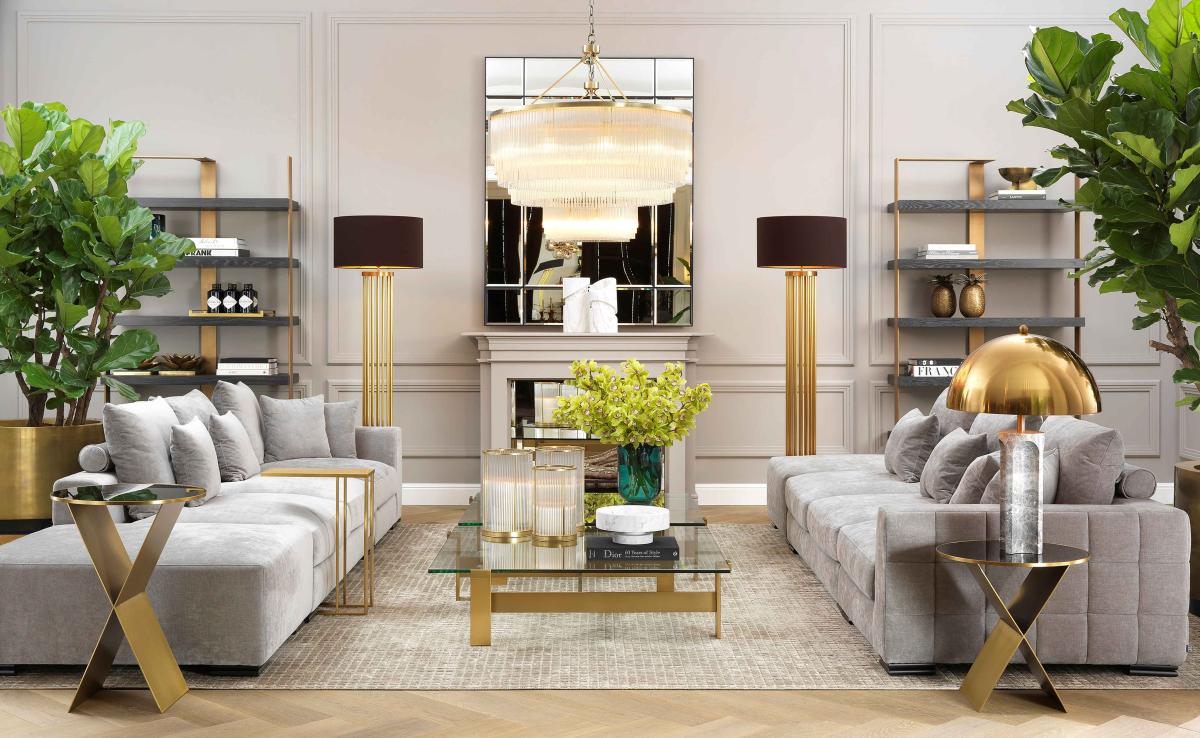
Eichholtz Hector 10 Light Pendant, KES Lighting & Home
In 2026, interiors are less about chasing perfection and more about creating spaces that express personality while feeling comfortable and lived in. The emphasis is on warmth, craftsmanship and individuality. Minimalism hasn’t disappeared but it has softened with organic shapes, colour and a sense of joy.