
Look to the sun for more natural light
Designing with light
Daylight is an essential element for any home, transforming spaces into bright, uplifting environments. By maximizing natural light, you can create a more inviting atmosphere, reduce reliance on artificial lighting, and enhance both mood and energy efficiency. Embracing this free natural resource not only boosts your home's aesthetic appeal but also promotes a healthier living space.
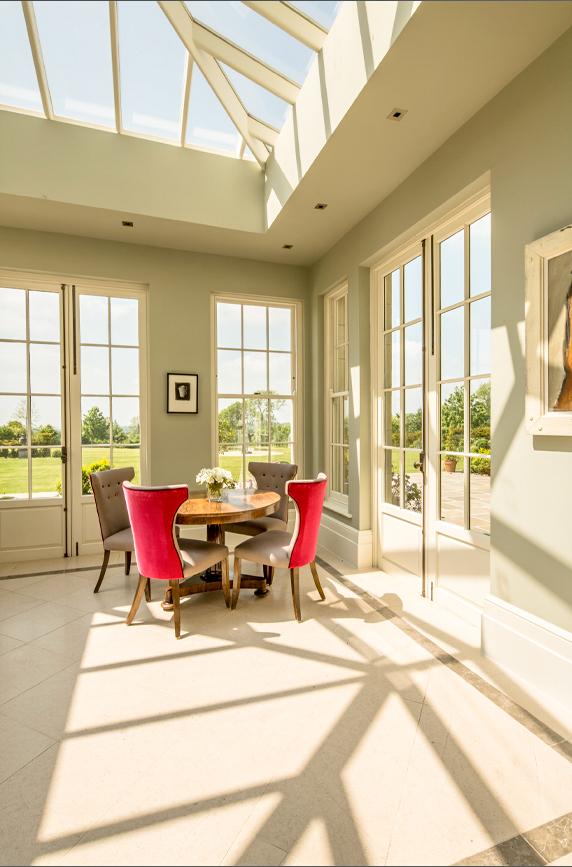
Image supplied by Masker Architects
Why is daylight important?
In the UK, daylight is deemed so important that people have a right to natural light in their homes and can take legal action if any nearby buildings threaten their access to it. When councils determine planning applications, one critical factor is if the proposed new building will reduce daylight for neighbouring properties.
Daylight plays a pivotal role in everyday life, providing illumination for everyday activities such as cooking or reading without the constant need to switch on electric lights. Beyond its functional role, natural light also has a massive impact on our mental health. As David Pearson, architect-planner and author of The Natural House, explains: “Over the millennia, we have become attuned and adapted to the sun’s daily and seasonal cycles; our bodies’ circadian rhythms and inner biological clocks are timed to follow these cycles of light and dark. We wake with the morning light, are most active when the sun is high in the sky and the light brightest and rest and sleep as day slips into dusk and then night.”
The quality of light
Natural light is dynamic and ever-changing, offering subtle shifts in intensity and colour quality throughout the day and across the seasons. It can be gently filtered through trees, softened by morning mist, or intensely bright in a clear, cloudless sky. “We need to be more aware of these subtle varieties and qualities and try to introduce them into our homes,” suggests Pearson. Natural light connects your home to the outdoors.
There are three main types of natural light:
- Sunlight: a direct beam of light that shines straight through a window is the strongest, causing shadows and glare. It is an intense light but will vary depending on the time of day and year and sky conditions. Direct sunlight is perfect for brightening a space and providing warmth but requires careful planning to avoid overheating.
- Reflected light: this is light bouncing off surfaces outside or inside the room. Depending on the brightness and texture of the surface, the light will probably be muted and tinted the colour of the reflected surface.
It is less directional than direct sunlight. - Diffused light: light that passes through filters such as blinds, screens or frosted glass. It is soft and almost shadowless.
“You should vary the amount and quality of light according to the needs of each space,” suggests Pearson. Use direct sunlight for areas like kitchens, stairs, offices and sunrooms where bright light is welcome. Highlight focal points and add dramatic contrasts too, with small windows or shafts of light. Meanwhile living areas benefit from reflected and diffused lighting, creating a more relaxed and comfortable atmosphere.
Building orientation
The orientation of your home in relation to the sun significantly impacts how much sunlight and reflected light it receives. For east facing rooms light is brightest first thing in the morning with long shadows and minimal sunlight later in the day. This could be ideal for a kitchen-diner or bedroom. South-facing spaces enjoy consistent light throughout the day, perfect for living spaces. West-facing rooms, bask in warm, late-afternoon light while north-facing rooms generally have a colder, more neutral light, away from direct sunlight. Artists often choose a north-facing studio for this light as colours are truer.
Pearson notes: “Many houses only have windows at the front and back and some apartments may only look in one direction.” Adding windows or extensions with different orientations can help bring in light from multiple directions. “If you decide to add new windows, make sure they do specific jobs, such as catching the morning sun in bedrooms, kitchens or breakfast rooms,” suggests Pearson.
Maximising sunlight
Glazing is key to maximising natural light.
- Rooflights and skylights: These top lighting solutions are more efficient than vertical windows which provide a dimmer light. Positioned to face the sky, rooflights and skylights capture more bright light and direct sunshine. Rooflights, even small ones, particularly benefit north-facing rooms or extensions.
- Taller windows: If you are renovating, consider modifying your existing windows by raising the height rather than widening them as this brings in more direct sunlight. You might also consider installing a glazed gable end for greater effect.
- Clerestory windows: positioned high on the walls, allow light to penetrate deep into rooms and provide privacy.
- Floor-to-ceiling glazing: sliding and bifold doors are popular choices which can fill a room with light and frames views. However, it’s important to manage glare and solar gain if south-facing and solar loss if north-facing.
- Corner windows: This glazing spans the corner of a building, offering lighting from different directions and expansive views. They can be full height, include window seats or be frameless for a sleek, modern look.
- Light wells and sun tunnels: ideal for bringing daylight into the core of the home via the atrium or into windowless rooms like basements that would otherwise rely on artificial light.
- Conservatories and sunrooms: Unlike solid brick or timber additions, these allow light into a house. Sunrooms typically have a solid roof and ceiling, offering better insulation for year-round use than older-style conservatories.
- Light reflective surfaces: Light coloured decorations, furnishings and floor coverings increase the reflection of daylight from interior surfaces, making a room brighter.
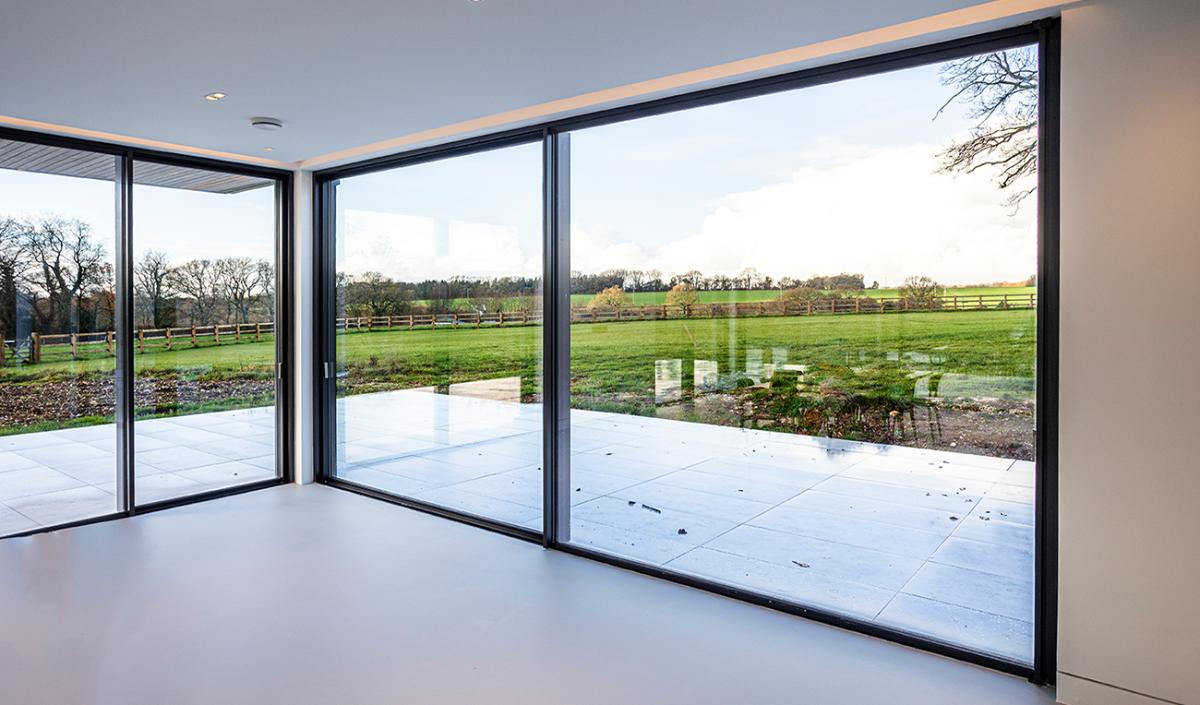
Image supplied by Masker Architects
Shading
It’s important to strike a balance between maximising natural light and heat gain or loss and energy efficiency. Too much direct sunlight can lead to glare, overheating and discomfort. Shading devices on the outside or inside of your home, such as roof overhangs, verandas, brise soleil, awnings, shutters and blinds help to manage sunlight. These features can block high summer sun while allowing lower winter light to penetrate. There are also window treatments such as films or heat reflective glazing. Planting trees will also provide shade. To capture the maximum amount of winter sunlight yet still have necessary shade from the heat of the summer sun, grow only deciduous trees, climbers and bushes near windows on the sunny side of a house.
Architects are highly skilled in using natural light to enhance the architecture of a house and improve quality of life. There are many creative possibilities to explore from dramatic focal points to pleasant, filtered light.