
Using Corten steel in homes & gardens
Eye-catching, versatile and surprisingly low maintenance – it’s no wonder designers are such big fans
Corten – also known as weathering steel – is increasingly popular in architecture and garden design. With its signature rusty, reddish-brown patina and durability, the material has become a favourite for both aesthetic and practical reasons. Today it’s used for everything from cladding contemporary extensions to garden sculptures.
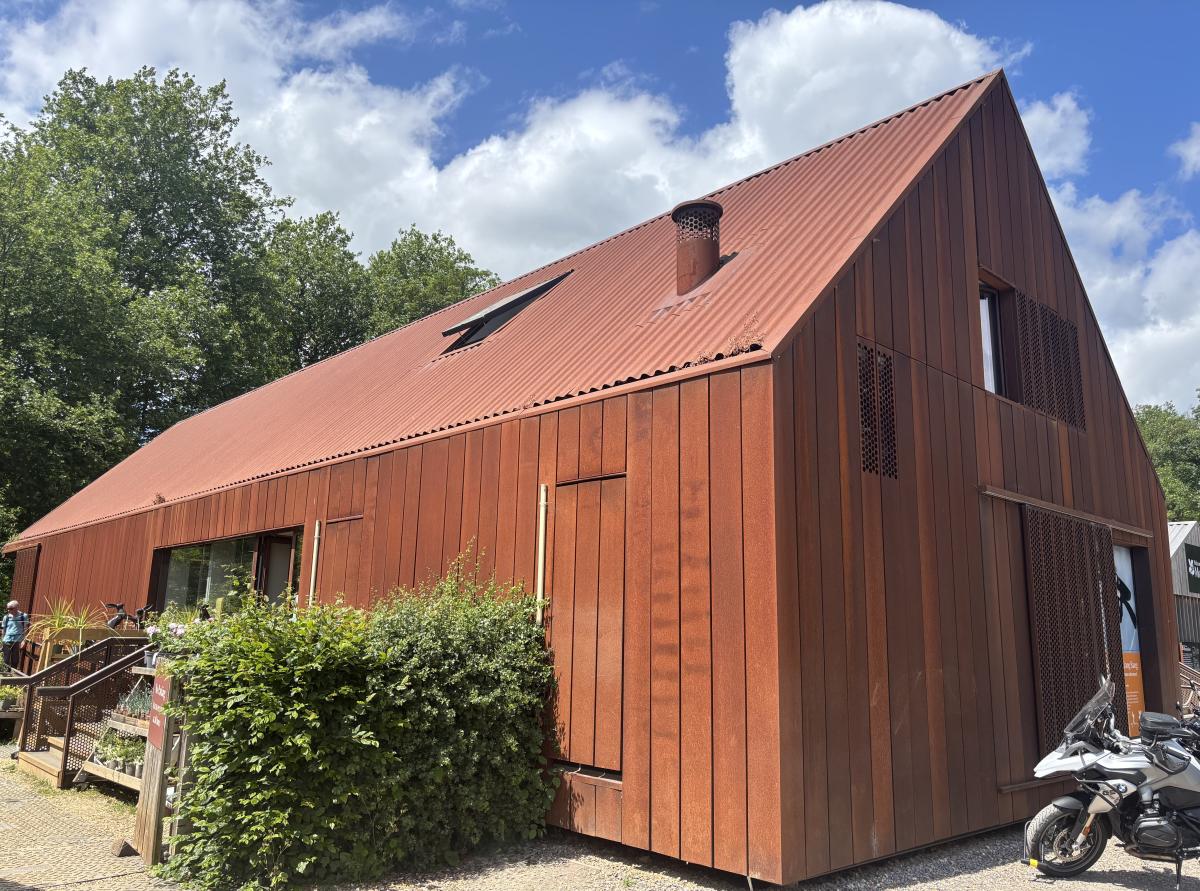
Corten-clad visitor centre at Mottisfont
What is corten steel?
Corten steel is a type of metal alloy designed to weather naturally, forming a rich, rust-like coating when exposed to the elements. Unlike ordinary rust, this thin layer of oxide doesn’t weaken the raw steel underneath – it protects it from further corrosion.
Over time, the colour changes from burnt orange to light and eventually dark brown. “Corten is a brilliant because it is a self-finished material that works well in ultra-modern designs as well as rustic settings like barn conversions. It’s very versatile and comes in various forms - sheets, corrugated panels and even pierced patterns,” explains Scot Masker, founder of Masker Architects.
Corten steel gets its name from its two key properties: corrosion resistance (COR) and tensile strength (TEN). It was originally developed for use in railway coal wagons and bridge building but it’s durability and attractive appearance have made it a hit in architecture and landscaping.
Pros and cons of Corten steel
Pros
- Warm, rusty orange-brown colour
- Distinctive, evolving appearance
- Pairs beautifully with brick, timber and stone
- Requires no painting or weatherproofing
- Durable and low maintenance
- Great for cladding buildings, screens, planters, edging and sculptures.
Cons
- Not 100 per cent rust proof; avoid constant contact with water
- Less resistant in coastal salt air
- Potential for minor environmental impact from rusty run-off into ponds, waterways and gardens
- Nearly twice the cost of standard steel (but significantly cheaper than copper or brass)
To reduce staining, many designers include hidden gutters or place Corten features on gravel or grass. Runoff concerns are often manageable with thoughtful design.
If Corten steel is too pricey, there are more budget friendly alternatives, such as mild steel and aluminium.
Using Corten as a cladding material
At the National Trust’s Mottisfont Abbey in Hampshire, Burd Haward Architects used Corten steel cladding on a new timber-framed visitor centre, see photo above. The rusty-brown tones blend with the Grade 1 listed grounds and historic property on the banks of the River Test. “The forms and materials of the building take cues from agricultural structures typically found on the edge of a large estate. Externally the shop is clad in weathering steel, the WCs, in timber boarding and zinc and the entrance reception is glazed with deep timber fins to allow views through to the river and gardens beyond,” explains the architects on their website.
In Bristol, Barefoot Architects used Corten to clad an entire new house built on a triangular, end-of-terrace plot. To cut costs, steel was locally sourced and patinated using soapy water to speed up the weathering. Thin 1.5mm sheets were chosen to reduce weight and allow crisp, folded details. “The timber frame structure is wrapped in a weathering steel skin which folds around the different facets of the house. The project received planning consent with praise from the urban design team for its contemporary appearance and use of materials,” the architects explain on their website.
In South London, Studio on the Rye designed a two-storey Corten-clad extension to a 1950s end-of-terrace house in Peckham. The new side extension nearly doubled the home’s size, adding a kitchen, snug and utility on the ground floor. Upstairs is an additional bedroom with an ensuite shower room and walk-in wardrobe.
“The tone of the weathered Corten was carefully selected to fit with the red bricks of the original house,” said director Sarah Borowiecka. The Corten was then sealed to prevent further weathering and staining of surrounding finishes. The use of weathered Corten steel complements the original red brick while creating a striking contrast with the surrounding Georgian and early Victorian villas in the conservation area.
Landscaping
Corten isn’t just for buildings. In gardens, it has become a go-to material for edging, walls, screens and planters. At Mottisfont Abbey, Corten is used to edge pathways. As Iota Garden notes: “Corten develops a variable patina of bronze, rust and copper hues – colours which are prefect for all manner of planting schemes, both neutral and architectural.”
Landscape designers appreciate weathered steel for more than its rusty hue. Its slim profile and flexibility make it a perfect choice for curved beds or narrow borders. Corten is also sold in perforated panels – useful to screen unsightly areas of the garden or crumbling plasterwork on walls.
For example, Stark & Greensmith flower meadow art screens double as sculptural works of art. The 2400mm x 1770mm perforated screens cost £800 each – prices correct June 2025.
Corten’s strength and slim profile also make it suitable for walls. Larger installations are best left to professional designers and contractors, especially when drainage, weight-bearing and soil retention issues are involved.
To add a more modest Corten accent into your garden, consider the wide range of planters, fire pits and raised bed boxes widely available online.
Is Corten steel sustainable?
Corten steel is considered sustainable due to its recyclability and durability. It can be made with recycled materials, giving new life to salvaged metals and reducing environmental impact. Corten steel is exceptionally durable and can last for decades, minimising the need for frequent replacements.
Its natural weathering process reduces the use of paints and sealants, lowering chemical use. However, as mentioned, care must be taken with rainwater rust runoff on nearby building material, plants or water bodies.
Product choices
Corten steel is available as raw or pre-weathered sheets, perforated panels, edging strips and bespoke products. For example, Buy Metal Online, offers edging strips in various lengths (100mm, 150mm and 290mm) and thicknesses ( 1.5mm, 2mm and 3mm ) sold individually or in packs. The products are delivered in natural silver-grey form and weather over time to develop the trademark rusty orange-brown colour.
The company also offers raw and pre-weathered Corten sheets in a range of standard sizes. They can also be cut to bespoke lengths and widths to suit your project.
Whether you’re cladding a home extension or simply screening an eyesore in your garden, Corten steel is worth considering as low-maintenance solution. With thoughtful design, Corten’s distinctive aesthetic can add warmth and texture to your project.