
What do new windows cost in 2026?
A guide to budgeting for uPVC, aluminium and timber glazing
New windows are a big-ticket item in any home improvement project. Prices typically range from a few hundred to several thousands of pounds per window. Costs vary depending on frame material, style (casement vs sash), size and glazing specification. Standard white uPVC casement windows are the cheapest while aluminium and timber are more premium options.
One of the biggest sources of confusion is whether a price includes fitting. To make meaningful comparisons, it’s important to distinguish between supply-only prices and fully installed costs. Below, all example figures are correct as of February 2026.
Frame materials: what should you expect to pay?
uPVC: the most affordable option
Plastic or uPVC window frames are the most budget friendly. According to online retail pricing from Wickes, supply only white uPVC casement window starts at around £200 per unit for a basic design. These windows come with a 10-year guarantee. As the Federation of Master Builders (FMB) notes: “The cheapest windows on the market are uPVC casement windows, which are produced from relatively cheap materials.”
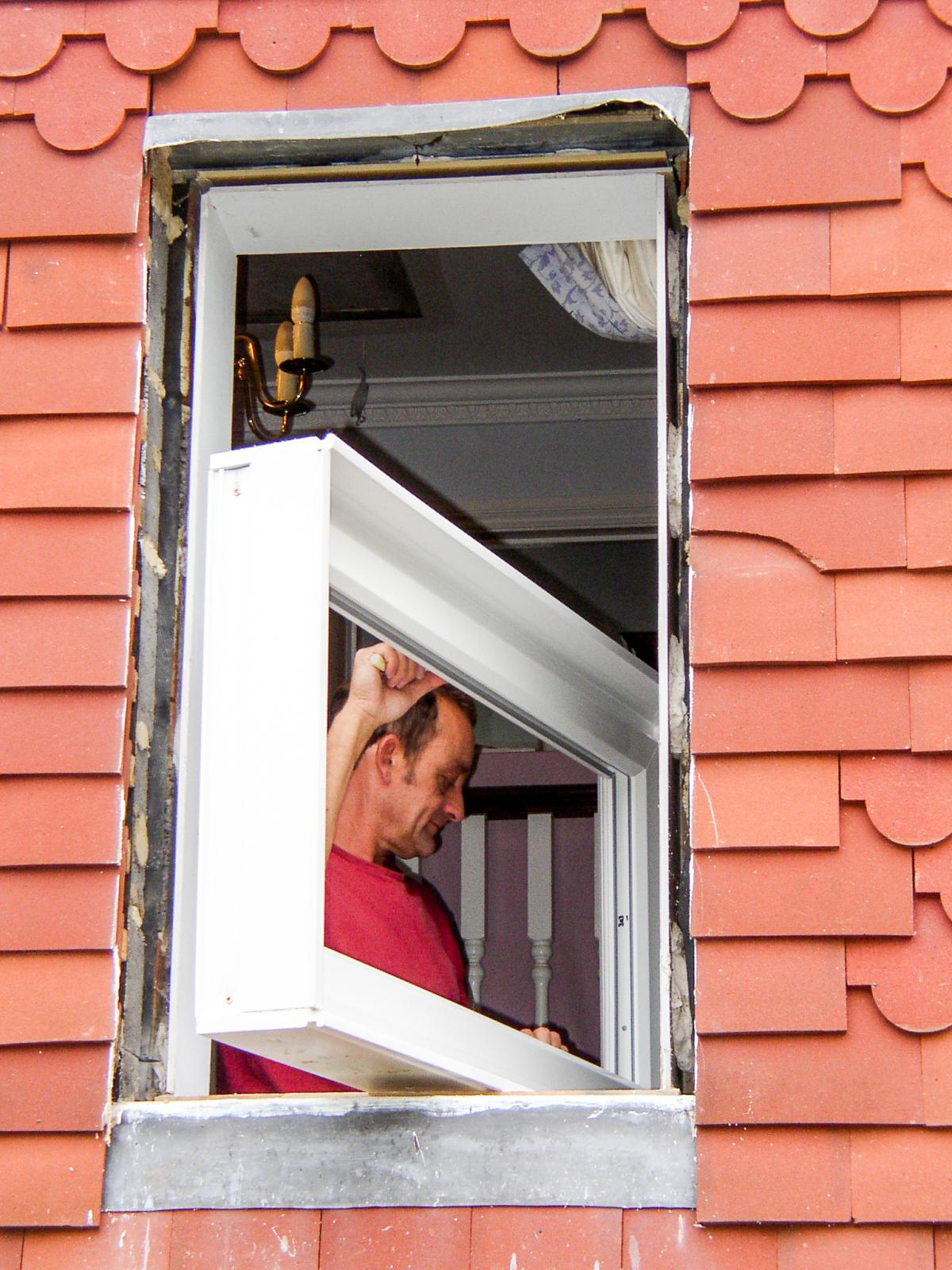
Installation adds significantly to the cost. Installed prices usually include a site survey, labour, disposal of old windows and making good internal and external finishes. Based on Everest’s published guide pricing, installed white uPVC windows can range from £700 to £1,800 per window, depending on size, specification and number ordered.
Coloured or wood-effect finishes, such as light oak, usually add 10 to 20 per cent to the frame cost. However, longevity should also be considered. “uPVC is not the most durable of windows: timber windows tend to last at least twice as long as uPVC windows do,” says the FMB in its guide to window costs in 2026.
Aluminium: a mid-range choice
Aluminium frames offer slimmer sightlines and a more contemporary look. Supply-only prices vary significantly by manufacturer, but entry-level, supply-only casement units typically begin from several hundred pounds per frame. Installed costs from national suppliers range from around £1,000-£4,500 per window, depending on size, number ordered and complexity of design. Expect aluminium to cost around 40 per cent more than uPVC on a like-for-like basis.
Metal conducts heat which means the frame both loses and absorbs heat. However, modern high-quality aluminium windows have a thermal break and insulated frames to reduce heat loss. Aluminium frames come in a wide range of colours. For many homeowners, the appeal often lies in more glass, less frame.
Timber: premium and long-lasting
Timber is typically the most expensive frame material and has a natural aesthetic appeal. Different wood species come with varying price points. Softwood is the cheapest while hardwoods like oak or sapele are mid-range options. Thermally modified woods like Accoya aremost pricey but offer excellent durability and sustainability.
One specialist manufacturer, GB Joinery, warns: “Builders often want the very cheapest option (softwood) but within five years the frames are rotting. Softwood windows are a false economy.” On premium products, they add: “Accoya often comes with a 50-year guarantee. The frames won’t warp and probably won’t need any maintenance for 10 years, so it’s worth spending a bit more.”
Supply-only hardwood casement window frames from specialist joinery firms may cost around £1,500 for sapele hardwood, rising to £1,800 for thermally modified Accoya.
Maintenance is part of the cost equation. As the FMB explains: “The long-term cost of timber will also be higher than aluminium or uPVC because of the upkeep required to keep them in shape, such as repainting and oiling.” That said, timber frames last longer and have better thermal insulation than uPVC or aluminium. For home improvers planning to stay put, timber frames can be a sound long-term investment.
Window styles
Frame material is only part of the picture. The style of window you choose can significantly influence the final bill. Casement windows - side or top hinged and opening outwards - are typically the most affordable. Supply-only white uPVC casement units start from around £200 to £300, depending on size. An average casement window (600mm x900mm) can range from about £525 in uPVC to £700 in aluminium and £1,630 in timber, according to the FMB. However, this type of window doesn’t suit every property.
Sash windows are typically found on period properties. They involve sliding panes and more complex joinery which increases the cost. “Many Georgian, Victorian and Edwardian properties have sash windows but there are now modern double-glazed options which are popular in contemporary UK homes,” notes the FMB.
The cost to replace sash windows is usually about 50 per cent higher than an average casement window. Supply-only uPVC sash windows can start from a few hundred pounds while timber sash windows from specialist joiners can exceed £2,000 per unit. “Timber sash windows are generally more expensive than other window types due to their intricate design and the craftsmanship involved in their production,” explains GB Joinery.
Tilt and turn windows open inwards and tilt for secure ventilation while remaining locked. They typically cost about 25 per cent more than a casement window. This style is popular in contemporary homes and apartment buildings where easy cleaning from inside and security are priorities.
Bay windows combine multiple units and may require structural support or roof detailing, making them the most expensive style. Supply-only prices start from about £2,890 for uPVC, rising significantly for aluminium or timber.
Double or triple glazing?
Glazing specification can have a big impact on price and performance. Double glazing – two panes of glass separated by a gas-filled cavity - remains the standard for many replacement projects. Triple glazing adds a third pane and an additional layer of argon gas to enhance thermal performance. The FMB explains: “While it offers less insulation than triple, double glazing is typically 10 to 20 per cent cheaper. Double glazing is also lighter than triple glazing, meaning it usually doesn’t require structural reinforcements to window frames, keeping costs down.”
Under the government’s Future Homes Standard Project, energy efficiency regulations have been beefed up. “From 2025, new builds must produce 75 to 80 per cent fewer carbon emissions than homes built under current regulations; with these stricter energy efficiency standards, triple glazing will likely become common in new construction,” says the FMB. As a rough guide, upgrading to triple glazing can add £100-£300 per window. Some suppliers offer free upgrades depending on the number of windows ordered.
Most high-quality windows now incorporate low-emissivity (Low-E) coating as a standard feature. This reduces heat loss from a room in comparison to standard glass and is often included in double or triple pane units.
Secondary glazing involves adding a second internal pane behind an existing window, reducing heat loss and draughts. It costs less but doesn’t match the performance of double or triple glazing. For owners of listed or period properties, however, the energy efficiency from secondary glazing helps reduce heat loss without replacing the original windows which may not be allowed by the local planning authority.
What to consider when comparing replacement window quotes
When comparing prices, get multiple quotes from suppliers and always check if the quote is supply-only or fully installed. Does it specify double or triple glazing? Are low-E coatings included? The FMB advises: “The quote should clearly describe the style, size, frame material and glass type of the window as well as quantity… The quote should specify the base cost for new windows and itemise pricing for frames and extra components, such as locks, hinges or handles.”
The cost of labour may be on a per window basis or a flat fee. Does the quote cover the cost of disposing of old windows and making good internal and external finishes? Clear like-for-like comparisons are essential. Check also length of warranties and membership of bodies, such as FENSA or Certass, whose members can self-certify that installations meet Building Regulations and give you a certificate to prove it.
And remember pricing is often negotiable, especially on larger, whole-house installations. As the FMB says: “Obtaining multiple quotes is the best way to effectively lower window prices… Even if the company is reluctant to lower its price, it might be willing to sweeten the deal by offering better terms or upgrading certain components.”