
Why do I need a bat survey and what will it cost?
Types of bat survey and seasonal windows
Planning a home extension or loft conversion? Discovering that you need a bat survey can come as a surprise — especially if you have never seen a bat anywhere near your property. Bats and their resting places, known as roosts, are legally protected in the UK.
A bat survey is often requested when your local planning authority believes there is a reasonable chance that bats could be present and affected by the proposed works. Factors such as the age and style of your property, if it’s close to woodland or water and existing local bat records can all influence whether a survey is required. Homeowners are often “completely unaware they are sharing a building with a bat roost,” says Ecology by Design.
Common places to find bats include barns, buildings with hanging tiles or weatherboarding, older buildings with cracks and crevices, buildings with a large roof area and clear flying spaces.
Why is a survey needed?
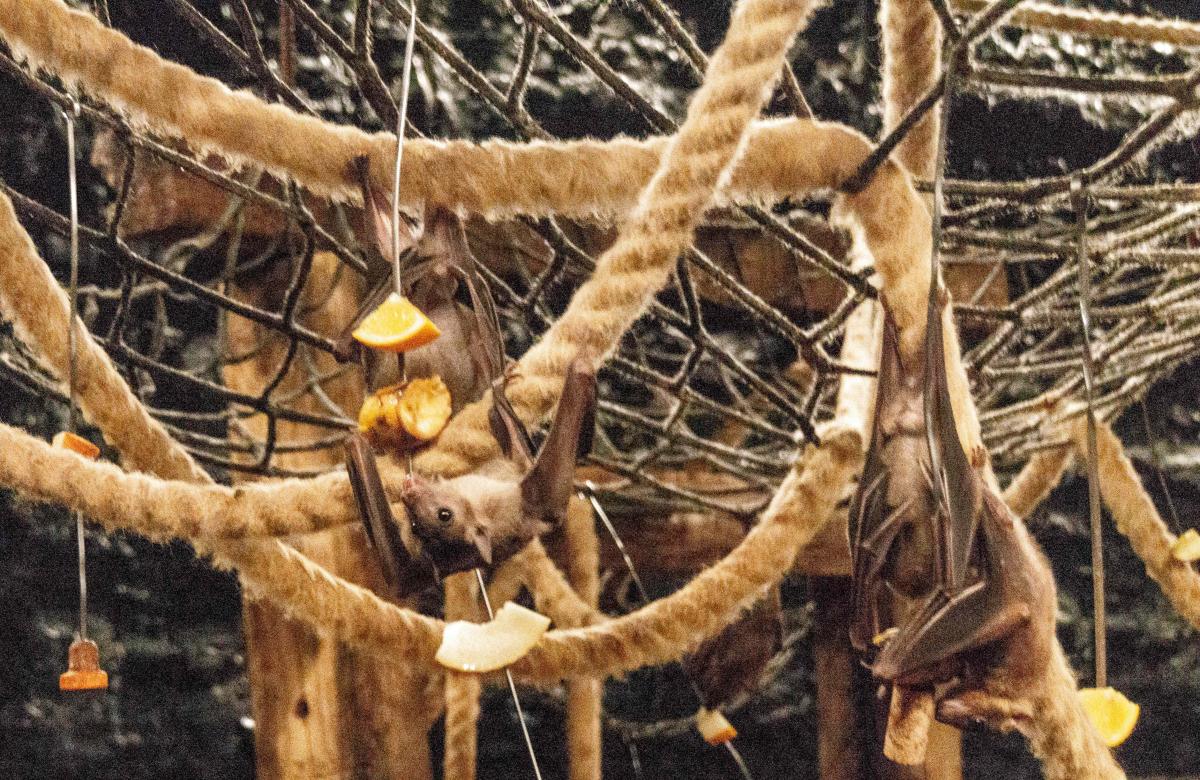
All 18 bat species in the UK and their roosts are protected by law. Common pipistrelle bats are the smallest weighing about 5 grams - less than a £1 coin. The largest is the noctule bat with a wingspan of up to 45cm.
Bat numbers have declined dramatically over recent decades which is why they are protected by law. Under the Conservation of Habitats and Species Regulations 2017, it is an offence to deliberately kill, injure, disturb or capture bats or damage or destroy their roosts – even if bats are not present at the time. Additional protection is provided by the Wildlife and Countryside Act 1981. Ignoring these laws can result in hefty fines or even a prison sentence.
If your building project is likely to disturb bats or affect a roost, a bat survey will be required by your local council before planning permission can be granted. Projects that commonly trigger bat surveys include:-
- Loft conversions and roof modifications
- Demolishing buildings
- Home extensions
- Barn conversions
- Removal of mature trees or hedgerow
The survey must be carried out by a licensed bat ecologist. It is the homeowner’s responsibility to arrange and pay for the survey. If you’re working with an architect, they may arrange the survey on your behalf.
Phase 1 Survey (Preliminary roost assessment)
Bat surveys are usually carried out in two stages. A Phase 1 survey, also known as a Preliminary Roost Assessment, involves a daytime inspection to search for evidence of bats and to evaluate whether buildings and trees could provide suitable roosts. Signs may include droppings or tiny gaps where bats could rest and bring up their young.
The ecologist will inspect inside and outside of the property, checking loft spaces and cellars. They will also search for features that could support bat roosts and will flag whether these need to be further surveyed, for example cavity walls and missing tiles.
This initial survey can be carried out at any time of the year. Phase 1 bat surveys costs between £400 and £600, for an average property. Prices can vary depending on the size of the building, site complexity and your location. No bats or potential roosting opportunities? Great – the process usually ends there.
Phase 2 Survey (Activity Surveys)
But if bats are found or their presence can’t be ruled out, you will also need to fork out for additional surveys. Some species, such as the Common Pipistrelle, are crevice dwellers, capable of squeezing into surprisingly tiny gaps in brickwork, tiles and soffit boards. This means they are often difficult to detect during a daytime survey.
This second stage is often called an Emergence and Re-Entry Survey or Activity Survey. Aims include establishing which species are present, population sizes, where bats enter and leave buildings and how important the roost is. These surveys are carried out at dawn and dusk when bats are most likely to be active. Armed with bat detectors, thermal cameras and thermos flasks of tea, ecologists record calls and track flight paths. Several surveyors may be needed on larger sites.
Unlike a daytime survey, the activity survey scan only be carried out between May and September, when bats are most likely to be active and breeding rather than hibernating. The weather also needs to be dry and mild – not wet or windy. In some cases, more than one visit may be required. It’s important to plan bat surveys well in advance. Miss the seasonal window and your entire building project could be delayed for months. A bat survey is usually required before planning permission can be granted.
Phase 2 bat surveys typically cost between £600 and £1,200 for an average property. The exact price depends on your location, the size of the building and the number of visits required. Be aware if you discover bats once work has started, this could lead to expensive delays or even prosecution.
Bat Mitigation Reports
The ecologist will write a report describing how the surveys were carried out, what was found, the likely impact of the proposed development on bats and recommendations to protect them. The presence of bats doesn’t usually prevent building work from going ahead. Getting a bat specialist involved in the early stages means that bats can be accounted for in the design, schedule and budget of your project,
If bats are present, a mitigation strategy will usually be required before work can begin. This may require scheduling building work outside of hibernation or maternity seasons, using bat-friendly building materials, such as traditional bitumen roofing felt and creating replacement roosts.
“Different species have different habitat requirements, just as many other animal species of the same genus do – think: polar bears and pandas,” says Robart Oates, founder at Arbtech, which specialises in protected species surveys. “An occasional roost used by a single male pipistrelle can look simple by comparison, for example, to mitigating for a maternity colony of brown long eared bats.”
Brown long-eared bats prefer large roof void spaces where they can warm up for flight. Creating a replacement habitat for this species may involve creating a dedicated “bat attic” – an insulated roof void, costing thousands of pounds. By contrast, simpler mitigation measures, such as bat boxes, can cost as little as £25 each.
Bat surveys are typically only valid for one or two years because bat populations and roosts can change from season to season. Make sure the bat survey submitted with your planning application is up to date.
And finally …
In most cases, bats won’t stop a project (unless they are extremely rare) but a special licence may be required. A bat mitigation licence is legal permission from the government that allows you to carry out work affecting bats that would otherwise be illegal. Licensing authorities include Natural England, Natural Resources Wales and Scottish Natural Heritage. The application is typically submitted by an ecologist after planning permission has been granted. You may also find your planning consent includes conditions, such as the installation of bat boxes by a licensed bat ecologist.
It’s easy to see why homeowners get frustrated by bat surveys. What was once a straightforward loft conversion or barn refurbishment can suddenly involve months of delay waiting for seasonal survey windows and escalating costs. But the rules exist to protect Britain’s declining bat population and help preserve a species that plays an important role in the natural world - even if it all seems a bit, well, batty.