
Window shopping: Timber or plastic? Double or triple glazed?
What makes a great window?
Windows play a crucial role in any home extension or refurbishment, far beyond their basic functions of letting in light and providing views of the outside world. They influence the overall aesthetics, energy efficiency, ventilation, and even security of your house. Windows are a big house purchase, so it pays to get the style right. But there’s now such a wide range to choose from it can be hard to know where to start. Here, we explore the key factors to consider when selecting or upgrading your windows.
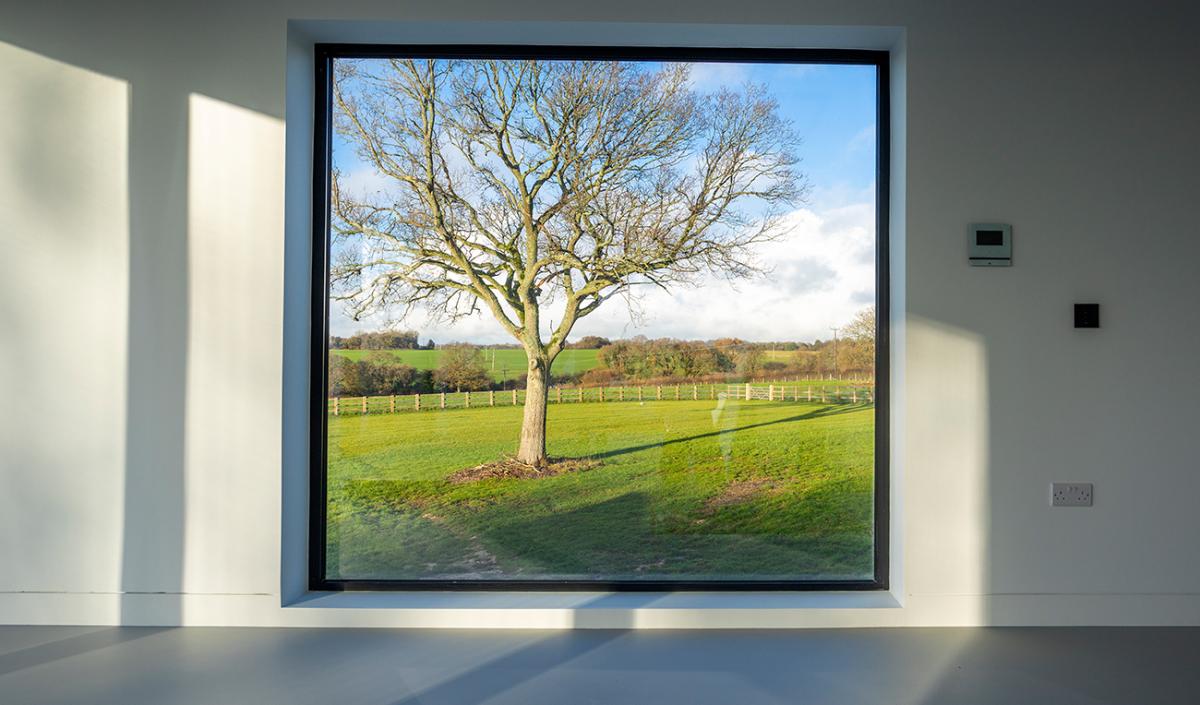
Image supplied by Masker Architects
The existing style of your home
Local planning authorities are likely to grant permission for projects that complement the existing design of your property. Gloucester City Council’s home extension guide explains: “The spacing, style and form of windows should normally match those of the existing house.” However, if your architectural vision is to create a strikingly modern addition, it may merit a contrasting style of window. Your architect can advise you.
Chris Fry, who has been an architect for more than 30 years, says: “The layout and design of the original house should be the starting point for new windows. Complementary proportions will sit comfortably with the old and demonstrate sympathetic design in any planning application. Equally, a radically different solution may be preferred if there are guiding reasons, such as a spectacular view to be had or need for an expansive north light for an artist’s studio.” In some circumstances, matching the existing windows may be a planning requirement. For instance, if you live in a listed building or a conservation area. It’s always a good idea to reach out to your local planning department in the early stages of a project.
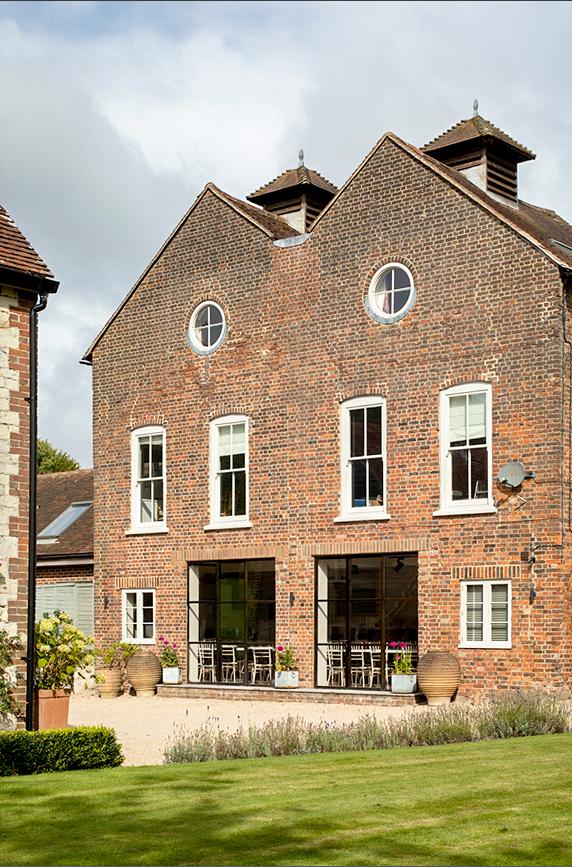
Image supplied by Masker Architects
Materials: choosing the right frame
Remember there is more to windows than just glass. One of the first decisions concerns the window frame materials – uPVC (plastic), timber or aluminium are the three main options. “The natural first choice would be to match the existing house window frame material, keeping everything complementary,” says Chris. If you opt for a different material, it’s important to consider if the frame thickness and profiles can be similar as well as the colour, he adds.
- Timber: timber windows have a timeless appeal, for instance oak, maple, spruce or walnut. “Longevity of frames is important, timber is often the best for ageing, lasting 60 years or so if properly cared for,” says Chris. Timber is also a high performing window frame material in terms of energy efficiency and easy to customise with paint or stain. Plus, timber is biodegradable, so it’s an eco-friendly option. However, timber frames require maintenance to keep them looking their best. There are also composite options. “Combination frames can be very effective where an internal timber frame is clad with aluminium externally to offer the warmth inside and low maintenance exterior,” says Chris.
- uPVC: uPVC window frames, made from unplasticized polyvinyl chloride, are an affordable and low maintenance option. In the past, uPVC tended to only come in brilliant white frames, but modern designs have more variety of colours and finishes, including a woodgrain effect – some are quite convincing. Additionally, uPVC window frames offer excellent thermal performance. “uPV is ubiquitous in white but be wary of coloured options which may degrade over time or simply go out of fashion,” warns Chris. uPVC can have a poorer life expectancy, lasting perhaps 30 years, adds the architect.
From a green perspective, uPVC window frames are problematic. On the one hand, their excellent insulating properties can lead to reduced energy use and carbon emissions. They are also recyclable, which can help to reduce landfill waste. However,they are made from non-renewable, petroleum products and not every area has the necessary facilities to recycle uPVC. - Aluminium: aluminium frames are known for their slim profile. Because aluminium is stronger than wood or uPVC, the frames are thinner which allows for larger expanses of glass. The frames come pre-finished in different colours and are almost completely maintenance free. As regards cost, aluminium windows are typically cheaper than timber options but more expensive than uPVC, so probably not the best option for those on a tight budget. Aluminium is not a natural material but can be recycled and the frames should last about 40 years.
Size of window and amount of light needed
Increasing natural light within the home is often one of the reasons for extending, but this should be balanced against energy efficiency and privacy. How can you design to maximise light? Chris suggests: “Study how the sun moves around the house for the whole day, winter and summer. A large window may be a preference in a design but if it faces south, it might create unbearable heat gain demanding shading devices or if facing north, offer a cold glass wall that lets too much heat out of a property.” Think about the room’s function – how you will be using the space and where you will put the furniture. Are you planning an open plan kitchen diner, sunroom or perhaps a master bedroom suite? Chris says: “Always consider how a window is placed in the wall. Does it need to be fully to the ceiling or to the floor? Is the windowsill set to an appropriate height for the inside – too high and seated views may be precluded. Too low and kitchen counters or cupboards won’t fit. Remember that glass below 80mm will need to be safety rated against falls and impacts. In a living area you might look to maximise natural light, perhaps with a roof lantern or skylight which can brighten potential dark spots without having to lose wall space.
Opening mechanism and casement style
A good window should open and close without sticking or requiring excessive force. “Ironmongery should never be skimped on. Poor grade metal hinges and stays will result in failures far sooner than the life of the frame or glass, so always question this when buying. Consider the type of opening you need and perhaps match the existing, for example vertical sliding sashes in older houses, side hung casements in newer,” says Chris.
- Casement windows: hinged at the side and open outwards like a door. These are variations available such as those with separate top lights. They suit most house styles and can be fitted with anything from a single to multiple panes.
- Sash windows: These feature panels that slide vertically to open. A traditional style, they are ideal for replacement windows in older period properties. Modern sash windows offer improved insulation and ease of operation while retaining their classic good looks.
- Tilt-and-turn window: These offer flexibility allowing the window to tilt inward for ventilation or fully open for easy cleaning. Tilt and turn windows are especially popular in urban areas where space and security are issues.
- Pivoting horizontal/vertical: a type of casement window that opens/closed by rotating around a central axis in the middle of the frame, allowing them to swing open horizontally or vertically. Provide exceptional ventilation and are easy to clean.
- Sliding: these open horizontally or vertically along a track
- Fixed windows, also known as picture windows: Designed to let in natural light and provide unobstructed views, these windows can’t be opened or closed.
- Clerestory windows: these are narrow windows near the top of a wall, close to the ceiling or roofline. They can be a good way to protect privacy.
- Roof windows: These are fitted into the roof and can lie flush with it or sit proud of it (a roof lantern). Top lighting via skylights or rooflights is brighter than vertical windows.
- French windows: Two glass panels that are hinged to the window frame on one side and open inward or outwards.
Energy efficiency
When you’re trying to decide which style of window is best for your home, don’t forget to consider energy efficiency as it can directly impact your heating bill and overall comfort. “Good quality double glazing is now the norm. Glazed units come in a wealth of thicknesses and glass specification which make a big difference across the spectrum,” notes Chris. There is a rating scheme to help you find the most efficient, which uses a scale of A++ to G (the most energy efficient to the least). In 2020, new legislation was introduced which meant new windows need to have a minimum Window Energy Rating of C. Energy efficient windows have low U-values – this is a measure of how much heat loss the unit allows.
Windows in new homes typically need to achieve a U-value of 1.6 w/m2.k or better to meet Building Regulations (Approved Document L), says Jack Preston, mechanical engineer for RHB. For new windows in existing buildings (extensions or replacements) the U-Value should be 1.4 W/m2.k. The building fabric (roof, floor and walls) will be less thermally efficient in an existing building and so the regulations need to be tighter to compensate. Windows tend to be the weakest point in any building envelope when it comes to energy loss, agrees Preston, adding: “This is typically one of the worst areas for thermal bridging,” says Chris. Thermal bridges, also known as cold bridges, are weak point in the building envelope which allow heat to pass through more easily. This commonly happens when there is a gap in the insulation layer.
Low emissivity (low E) glass that reflects heat back into a room can also enhance energy efficiency. If you live near a motorway, you might also want to consider acoustic glazing, also known as soundproof glass, to reduce noise pollution. Acoustic glazing is a double-glazed unit that include a pane of laminated glass. Other options include solar glazing that has a special coating that reflects heat while allowing natural light. Solar glazing is recommended for large south-facing windows, pool houses and conservatories to prevent overheating in summer.
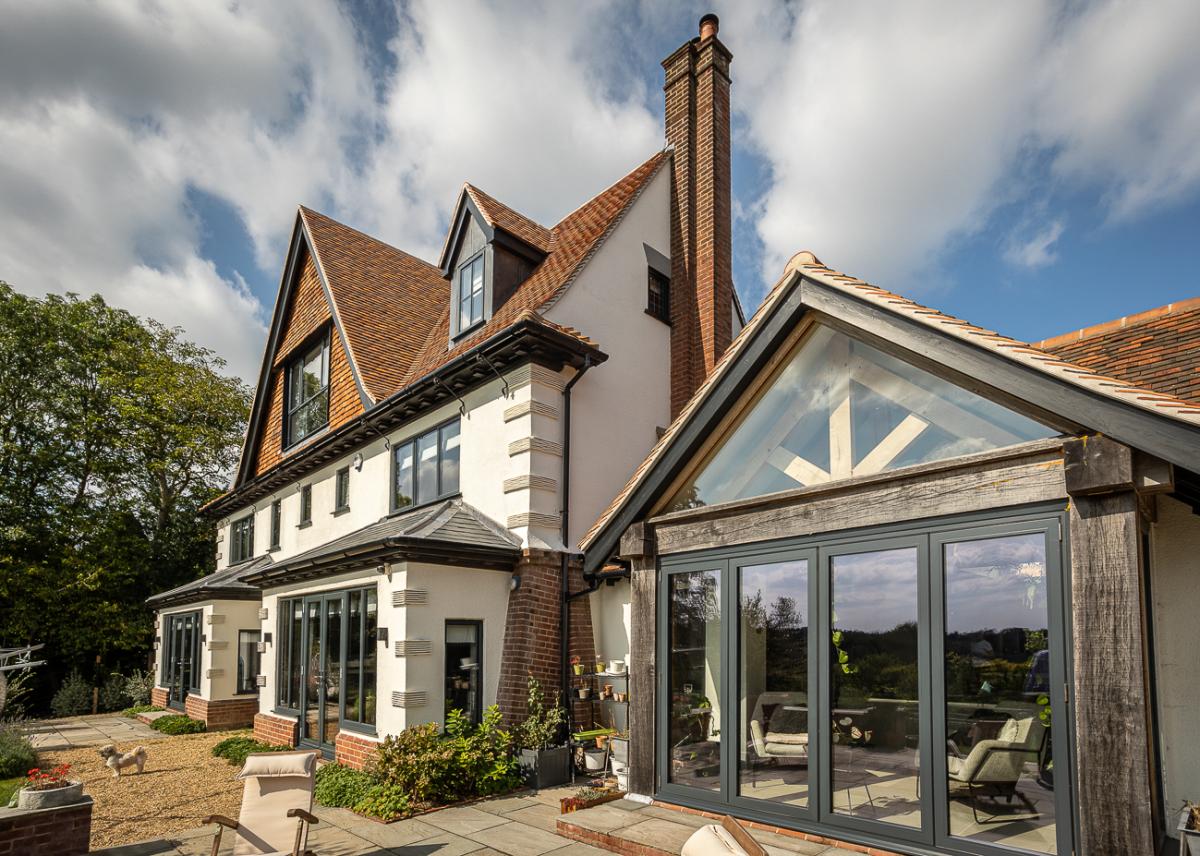
Image supplied by Masker Architects
Cost
As a rule of thumb, expect to pay around £600-650 per square metre of window for uPVC; £750-£900 for aluminium and £1,000-1,500 for timber. In addition to the material selected for the frame (uPVC, aluminium, steel or timber), the stye of window (casement, tilt and turn, sliding etc) and the energy efficiency affects the price. Typically, the higher the rating and the lower the U-value, the more expensive they are likely to be. Triple glazing is often specified for ultra energy efficient Passivhaus designs. Asked if triple glazing is worth the money or if double glazing is just as good, Jack says: “Ultimately this depends on what you are trying to achieve. Due to the improved U-value associated with triple glazing (as low as 0.8 w/m2.k), your home will have a lower carbon footprint due the reduced demand for heating. This in turn will mean lower energy bills. Triple glazing also offers other benefits such as noise reduction and even security.”
Chris disagrees. He said: “Triple glazing is not a necessity and can be detrimental to the clarity of vision out. It will provide enhanced energy savings but at a relative cost. It should be considered in relation to the balance across the whole property and the overall thermal performance of the home. It would be unlikely for an extension so glazed to be particularly beneficial.”
Selecting windows is a key decision. Never skimp on the quality of window frame or ironmongery but rather choose the best you can afford. “Windows properly chosen are vital to the success of a home extension. They affect the daily use of the space, allowing daylight in and with it the effect of the sun’s heat, for good or bad, provide controlled views out if properly placed and usually will control the ventilation of the building. Ease of operation and maintenance of quality components will be constant little reminders and the appearance, whether complementary or contrasting, will be of long-term benefits when kerb appeal becomes important to the value of the house,” says Chris.